
How Much Does Tree Removal Cost? (And How to Save)
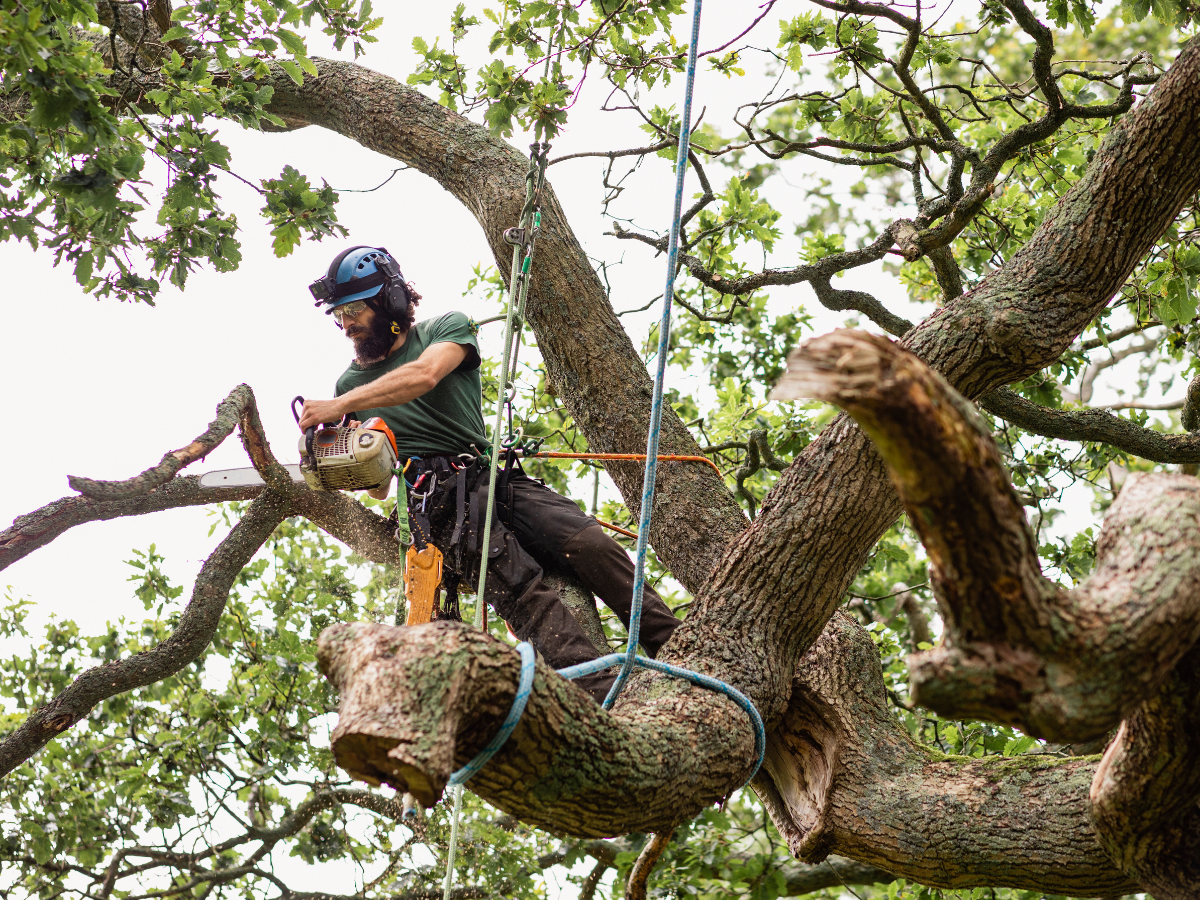
Wondering how much tree removal costs? The final price can depend on the size of the tree, the type of tree, the accessibility of the tree, and several other important factors that can drive costs up or down.
In Missouri, the average cost of tree removal usually falls between $500 and $2,500 for a standard job.
However, the total cost can be higher or lower depending on the size, location, condition of the tree, and complexity of the tree. This range is a general ballpark to give you a starting point, but every tree removal project is different.
In this guide, we will break down the average tree removal costs, explain the most important factors that affect a tree removal project, and share simple ways to save money and decrease the cost of tree removal without cutting corners.
What Affects the Cost of Tree Removal?
When it comes to figuring out how much tree removal costs, several key factors can change the final price of your project. Understanding these details can help you plan better and avoid unexpected expenses.
Tree Size
The size of the tree is one of the biggest factors.
- Small trees are typically the least expensive to remove.
- Medium-sized trees cost more because of their height and trunk diameter.
- Large trees and tall trees require more labor and often need special equipment like a bucket truck, which increases the price.
Type of Tree
The type of tree also affects removal difficulty and cost.
- Pine trees tend to be tall but lightweight, making them easier to remove than dense hardwoods.
- Cypress trees sometimes grow in swampy or low-lying areas, which can make access more difficult and increase the cost.
- Live oaks are heavy, wide-spreading trees with deep roots, requiring more time, manpower, and equipment to remove safely.
- Maple trees, sycamore trees, hickory trees, and elm trees are all common in Missouri and can be large with extensive root systems, making them more expensive to remove than smaller, lighter species.
Condition of the Tree
The condition of the tree can make removal either simpler or more dangerous.
- Healthy trees are usually more predictable and stable during removal.
- Dead trees and diseased trees can be brittle or unstable, raising safety risks and often requiring extra steps to remove safely.
- Hazard trees located near structures or power lines add to the overall challenge and cost.
Accessibility of the Tree
The accessibility of the tree and the surrounding area can have a major impact on the cost.
- If the tree is close to utility lines, fences, or buildings, the removal process takes more time and requires more careful handling.
- Trees in an open front yard are easier and cheaper to remove than trees located in a fenced-in backyard or a spot that needs special equipment just to reach.
The Tree Removal Company You Choose
The company you hire for your tree removal project can make a big difference in both the final price and the quality of the work.
- A professional tree removal company with certified arborists will make sure the removal process is safe, efficient, and properly insured.
- Choosing an experienced team may seem more expensive at first, but it can actually save you money by avoiding mistakes, property damage, or the need for emergency services later.
- Always ask if your provider includes hauling away debris, stump removal, firewood splitting, and any additional services you might need so you can compare tree removal prices accurately.
Average Tree Removal Costs Based on Size
While every tree removal project is different, the average tree removal costs usually fall into a general range based on the size of the tree. Other factors like the type of tree, its condition, accessibility, and whether it poses a safety hazard will also affect the final price.
Here is a general breakdown:
Small Trees (Up to 30 feet tall)
Removing small trees like young maples, ornamental pears, or smaller pines typically costs between $500 and $900.
- Costs stay lower when the tree is healthy, easy to access, and far from structures or power lines.
- Removing a dead tree or one with an extensive root system can increase the price even for smaller trees.
Medium Trees (30 to 60 feet tall)
Medium-sized trees such as smaller oaks, sweetgums and medium pines usually range from $700 to $1,500.
- The price depends heavily on the condition of the tree and whether special equipment like a bucket truck is needed for safe removal.
- Trees growing close to utility lines or fences may add additional costs.
Large Trees (Over 60 feet tall)
Removing large trees like mature sycamores, large oaks, or older elms often costs between $1,200 and $2,500 or more.
- The height of the tree, trunk diameter, and how close it is to buildings or power lines are major factors.
- Larger trees may require heavy equipment or emergency service if the tree is unstable or poses a potential hazard.
Additional Services and Extra Costs
When planning a tree removal project, it is important to consider services that might add to the final price. Some tasks are optional, while others are necessary depending on the condition of the tree, the surrounding area, or the needs of your property.
Here are some common additional services that could impact your overall cost:
Stump Grinding or Tree Stump Removal
Most standard tree removal does not include removing the stump unless you specifically request it.
- Stump grinding is a fast and affordable option that grinds the stump down below ground level.
- Tree stump removal involves pulling the entire stump and root system out, which can be more labor-intensive and costly.
Land Clearing
If you need to remove multiple trees or prepare a site for construction, land clearing services will add to the overall cost. This often involves using heavy equipment to clear trees, shrubs, and debris from a large area.
Emergency Service
Emergency tree removal after a storm or sudden tree fall typically costs more than a scheduled project.
- Emergency work often involves fallen trees on homes, driveways, or power lines, and requires urgent attention, specialized crews, and sometimes overtime charges.
Firewood Splitting Services
Some companies offer firewood splitting services as an add-on if you want to keep the wood from your removed tree.
- This service can add a small additional fee but can be a good idea if you use firewood at home.
Hauling and Debris Removal
Standard tree removal usually includes cutting the tree down, but full debris removal is sometimes an additional cost.
- Always ask if hauling away branches, trunk sections, and sawdust is included.
Special Equipment Needs
If your tree is located near utility lines, on a steep slope, or in a hard-to-reach area, the use of special equipment like cranes or heavy-duty lifts may result in an additional charge.
How to Save on Your Tree Removal Project
While the cost of tree removal depends on many factors, there are smart ways to lower your final price without cutting corners or sacrificing quality. Here are a few key strategies to help you save:
Time Your Project Carefully
If your tree does not pose an immediate risk, timing the project during slower seasons can sometimes lower costs.
- Late winter and early spring are often ideal times for scheduling because the trees are dormant, and the work can be more straightforward.
- Scheduling in advance gives you more flexibility and may help you avoid paying extra for emergency service.
Combine Tree Services
Bundling services like tree removal, tree trimming, and stump grinding can often result in better overall pricing.
- Many homeowners save by taking care of multiple tree-related needs at once rather than spreading them out into separate projects.
At Hunter Tree Service, we offer complete packages that make it easy to manage everything with one team, helping you avoid additional fees and unnecessary scheduling costs.
Choose a Professional Tree Service Company
Hiring a professional tree removal company with the right equipment, insurance, and experience can actually save you money in the long run.
- Cutting corners with inexperienced crews can lead to property damage, hidden fees, or incomplete work that ends up costing more to fix.
- A team like Hunter Tree Service ensures your project is handled correctly the first time.
Get a Detailed Estimate Upfront
The best way to avoid surprises is to request a detailed free estimate before any work begins.
- Always make sure your quote covers the full scope of the job, including hauling debris, firewood splitting services, and any additional services that could affect the final price.
At Hunter Tree Service, we are happy to walk you through all your options so you know exactly what to expect.
Limited-Time Offer from Hunter Tree Service
If you are thinking about scheduling a tree removal project, now is a great time to get started.
For a limited time, Hunter Tree Service is offering $100 off your tree removal when you book a free estimate.


 English